How to Choose the Right Balloon Flight Around Barcelona
Choosing ballooning Barcelona comes down to more than picking a date and hoping for clear skies. The experience depends on timing, weather, launch area, group size and the way the operator handles the less glamorous details. A good choice feels calm from the first enquiry to the moment the basket settles after landing. A poor one can feel rushed, confusing or poorly matched to what you expected to see.
Start by deciding what kind of outing you actually want. Balloon flights near Barcelona can be shaped by the landscape, the hour and the level of involvement. Some people are drawn to a morning flight because the air is usually steadier and the light falls softly across the city and countryside. Others care more about wide views toward Montserrat mountain or the chance to see the Cathedral of Barcelona from a distance. Your priority will narrow the options quickly.
Think about the route before you compare anything else. Ballooning is not like taking a coach to a fixed viewpoint. Wind decides the direction, and the pilot uses changing layers of air to guide the flight where conditions allow. That means two flights on the same date may not see the same scene. When reviewing an option for ballooning Barcelona, look for language that describes the general flying area rather than promising one exact panorama. Honest wording is a better sign than a perfect-sounding route.
Set your priorities in the right order
Write down the three things that matter most. For some travellers, that might be a quiet early start, a smaller group and a gentle pace. For others, it might be the length of time in the air, the chance to help with setup, or the convenience of a meeting point. Once those points are clear, the comparison becomes much easier.
Flight duration is worth considering, but it should not be judged in isolation. The whole outing often includes arrival, paperwork, the safety briefing, inflation, boarding, the flight itself and the landing procedure. A short airborne section can still be a full experience if the rest is organised well. Ask how long the complete visit usually takes, then plan the rest of the day around that rather than the time in the basket alone.

Basket capacity also changes the feel of the flight. A crowded basket leaves less room to move and less space near the edge, while a smaller group tends to feel more relaxed. If you are sensitive to cramped spaces, ask what the usual group size is and whether the basket has separate compartments. The aim is not to chase the smallest number at any cost, but to match the flight to your comfort level.
Check the timing and the weather logic
Morning flight slots are common in ballooning because cooler air often gives more stable conditions. That does not mean every morning is suitable. Wind speed, rain, cloud and local weather patterns all matter. A responsible operator will talk about weather as a decision made close to the day, not as a detail settled weeks ahead.
Pay attention to how cancellation and rescheduling are explained. Weather flexibility is part of the nature of the activity, so a clear policy is more useful than a vague promise. Look for plain answers to practical questions: what happens if conditions are poor, how notice is given, and whether another date can be arranged. Avoid any option that makes the weather sound like a minor formality.
Season can shape the experience too. Spring and autumn may offer pleasant conditions, while summer can bring heat and stronger everyday routines around travel plans. Winter mornings can be crisp, but layers may be needed before the sun is high. Dress for the hour rather than the postcard image. Comfortable shoes, natural fibres and a light layer are usually more useful than heavy clothing that cannot be adjusted.
Read the safety details without worrying needlessly
Safety information should be easy to find and easy to understand. Before booking, look for a clear safety briefing as part of the outing. It should cover how passengers board, what to do during inflation, how to stand in the basket and what to expect during landing. The tone should be calm and specific, not theatrical or dismissive.
The landing procedure deserves special attention. Balloons do not steer like cars and do not land on a marked strip every time. A crew may follow on the ground, the pilot may look for an open area, and passengers may be asked to bend, hold on or step out at a particular moment. Ask how landings are handled and whether transport back from the landing area is included. This matters because the end of the flight is part of the experience, not an awkward extra.
Do not try to judge technical equipment yourself from a photograph. If a description mentions maintenance, licensing or pilot qualifications, treat it as information to verify through proper channels rather than something to interpret from marketing language. A qualified professional should handle anything involving the balloon, burner system or mechanical parts. Passengers have a simpler job: follow instructions, arrive fit to take part and ask questions before the flight.
Compare the small print with care
Once the shortlist is down to a few choices, read the booking terms slowly. This is where mismatches often appear. Some flights have age limits, weight limits or rules about who can take part. Others may have meeting arrangements that are harder to reach before dawn. These details do not make an option bad, but they can make it unsuitable for you.
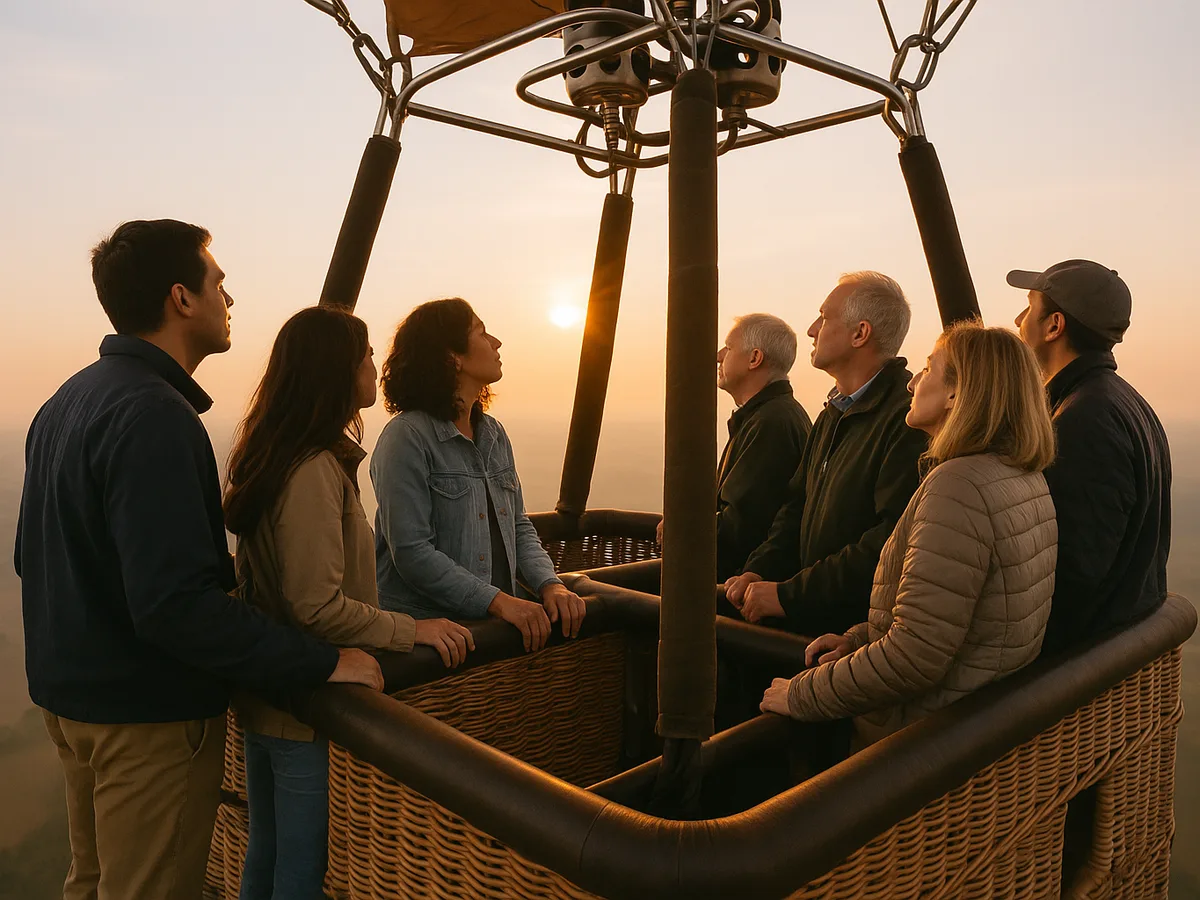
When comparing names, it helps to keep the search focused. Barcelona Hot Air Balloon may appear alongside other wording as you research, so judge each page by the clarity of the information rather than the style of the headline. Look for specifics that answer real questions: where the meeting point is, what is included, what passengers should wear, how weather changes are handled and what the day looks like from arrival to return.
Transparency matters more than polish. A page that explains limitations in plain language can be more useful than one filled with grand promises. If a detail is missing, a sensible enquiry should receive a direct answer. Vague replies about timing, group size or landing arrangements are worth noting before you commit.
Match the flight to the people going
Think about who will be on the trip. A couple looking for a quiet morning may value a different setup from a family with older children or a group celebrating something. Ballooning asks passengers to stand for parts of the experience, follow instructions and accept that plans depend on the wind. That suits some people better than others.
If anyone is nervous about heights, choose an option that explains the process clearly and allows time for questions. The basket rises gradually, and many people find the pace gentler than expected, but that should not be used to dismiss a genuine fear. Clear information before the day can make the difference between anticipation and dread.
Accessibility is another point to check directly. Some launch and landing areas may involve uneven ground, walking over fields or getting in and out without a fixed platform. If mobility is a concern, ask precise questions before booking. Barcelona Hot Air Balloon is one name that may come up during research, but the practical decision should rest on whether the flight arrangement suits the people taking part.
Look for a calm, clear booking experience
The way a flight is presented often reflects how well the day will run. A good listing gives enough detail to picture the morning without overloading you with jargon. It explains the sequence, sets expectations about weather and gives useful guidance on clothing, arrival and timing. It also avoids treating the view as a guarantee.
Read recent feedback if it is available, but do so with a steady eye. One comment about wind or an early start may say more about personal preference than quality. Repeated comments about unclear instructions, poor communication or unexpected changes deserve more weight. Repeated praise for clear briefings and organised ground handling can be a useful sign.

Do not be swayed only by dramatic photographs. Almost every balloon flight can look remarkable in the right light. The real question is whether the experience is well explained and suited to your plans. A modest page with honest answers is often more reassuring than a glossy one that leaves the practical points blank.
Make the final choice with a simple test
Before booking, pause and check four things. First, the flying area and route description should sound realistic. Second, the timing should fit your schedule, including the full visit rather than only the flight. Third, the safety briefing, landing procedure and ground arrangements should be clear. Fourth, the booking terms should match your group and your tolerance for weather changes.
If those four points feel right, the choice is likely sound. If one point feels uncertain, resolve it before paying. Ballooning near Barcelona works best when expectations stay flexible and the practical details are settled early. The reward is a morning shaped by wind, open sky and a slow view over a region that looks very different from the ground.